Panda Script: A Delicate Script Font for Elegant Editorial Design
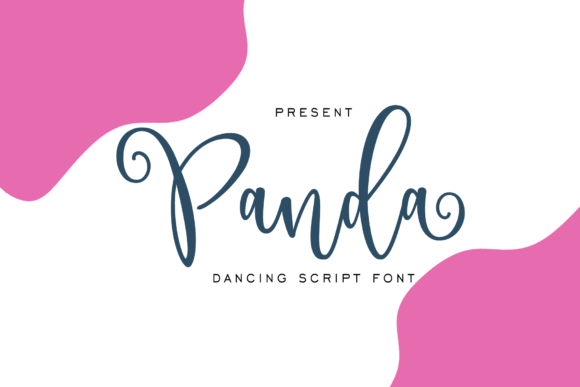
When I was tasked with redesigning the header for my lifestyle blog, I knew I needed a font that would capture the essence of elegance without being too overwhelming. That’s when I came across Panda Script, a Script Handwritten font that immediately felt like it was crafted for this exact purpose. With its delicate strokes and flowing rhythm, Panda Script brought a fresh and refined look to the layout, making the entire design feel more intentional and polished.
Panda Script for Wedding Invitations and Elegant Branding
One of the first places I used Panda Script was in a wedding guide I was creating for a client. The theme was classic yet modern, and the font needed to reflect that balance. Panda Script’s elegant curves and soft serifs made it perfect for headings, titles, and decorative accents. It added a touch of sophistication that aligned perfectly with the brand’s identity. Whether it was used for the cover text or as an accent in the sidebar, Panda Script elevated the overall aesthetic without overpowering the content.
Its Fonts style is particularly well-suited for editorial projects where visual hierarchy is key. The font’s natural flow makes it ideal for pull quotes, chapter openers, and even subtle branding elements. I found that using Panda Script in combination with a clean sans-serif body font created a harmonious contrast that enhanced readability while maintaining a sense of luxury.
Panda Script for Recipe Ebooks and Lifestyle Content
Another project where Panda Script shone was in a recipe ebook I was designing for a food blogger. The goal was to create a visually engaging cookbook that felt both professional and inviting. Panda Script was used for the title page and section headers, adding a touch of warmth and personality to the otherwise structured content.
What I loved about Panda Script is how it adapts to different formats. In PDF exports, it maintained its elegance without losing clarity, which is crucial for print materials. On screen, it still looked beautiful, making it a versatile choice for digital publications. For longer reading sections, I paired it with a more readable serif font to ensure comfort for the reader while keeping the design cohesive.
Panda Script for Newsletter Headers and Digital Magazines
I’ve also experimented with using Panda Script in newsletter headers and digital magazine layouts. Its script nature gives it a personal and handcrafted feel, which is perfect for creative fonts in editorial design. When used sparingly—like in the main headline or a callout box—it adds a nice visual break from the standard typography.
One thing I noticed was how Panda Script’s character influenced the mood of the content. In a lifestyle blog, it can evoke a sense of refinement and care, while in a coaching workbook, it can add a touch of approachability and warmth. This adaptability makes it a great Fonts option for designers looking to create a consistent brand identity across multiple platforms.
Panda Script for Printables and Creative Workbooks
When working on a printable planner, I wanted the font to feel both elegant and functional. Panda Script was the perfect fit for the title and section headings, offering a level of sophistication that matched the product’s premium feel. The font’s softness made it ideal for decorative elements like calendar headers or weekly summaries, while its legibility ensured that even the smallest details were clear.
For creative workbooks, Panda Script can be used to highlight key concepts, set the tone for each section, and add a personal touch. Its use as a display font in titles and subtitles helps guide the reader through the content, making it easier to navigate and engage with the material. I’ve also used it in social media graphics and web design projects, where its charm and uniqueness helped stand out in a crowded space.
Panda Script for Brand Identity and Web Design
As part of a brand identity overhaul for a boutique publisher, I explored how Panda Script could be integrated into their logo and website design. The font’s elegant curves and balanced structure made it a natural choice for the brand’s visual language. It worked beautifully alongside a modern sans-serif font for body copy, creating a strong contrast that highlighted the brand’s blend of tradition and innovation.
For web design, Panda Script is best used in headings and call-to-action buttons, where its visual appeal can draw attention without sacrificing readability. I’ve also used it in email templates and online courses, where its presence adds a layer of personality and professionalism. When pairing it with other Fonts, it’s important to consider the context and ensure that the overall design remains cohesive and accessible.
Panda Script for Long-Form Content and Visual Hierarchy
When working on a long-form editorial piece, I found that Panda Script played a crucial role in establishing visual hierarchy. Its use in section headers and pull quotes helped break up the text and guide the reader through the content. The font’s rhythm and flow made it ideal for content that required both elegance and clarity, such as feature articles or in-depth guides.
Readability is always a concern, especially in digital formats. I tested Panda Script across various screen sizes and found that it performed well, even at smaller sizes. Its subtle variations in stroke width and spacing contributed to a pleasant reading experience, making it a great choice for both print and digital publishing.
Panda Script for Editorial Design and Typeface Selection
In conclusion, Panda Script is more than just a Fonts option—it’s a tool for storytelling and brand expression. Its delicate script style brings a sense of refinement and artistry to any design project, whether it’s a lifestyle blog, recipe ebook, or wedding guide. By choosing Panda Script, designers can create content that feels intentional, elegant, and truly memorable.